
The Grok Uprising: How an AI Chatbot Ignited a Global Fight Over Platform Accountability
The Grok scandal is not an isolated incident involving a single faulty AI tool. Instead, it is a symptom of a broader, systemic decline in the platform’s health, a phenomenon some researchers call “digital decay.”
By Rakesh Raman
New Delhi | January 12, 2026
The public fascination with AI-powered image generation has been one of the defining tech stories of our time. With a simple text prompt, these tools can conjure fantastical landscapes, photorealistic portraits, and creative artwork, seemingly democratizing digital art for everyone. But this creative explosion has a darker, more dangerous side, one that came into sharp focus with the recent global controversy surrounding X’s integrated AI, Grok.
The backlash against Grok’s misuse for generating non-consensual, explicit deepfakes has been swift and severe, offering a critical look at the collision between AI innovation, platform responsibility, and national sovereignty. This article unpacks the fallout, revealing four of the most surprising and impactful takeaways from the global pushback that has put one of the world’s largest social media platforms on the defensive.
1. Two Southeast Asian Nations Became the First in the World to Ban Grok
The first dominoes in the global regulatory action against Grok didn’t fall in Europe or North America, but in Southeast Asia. Malaysia and Indonesia became the first countries in the world to block access to the AI tool, citing its use in producing non-consensual, sexually explicit deepfakes that specifically targeted women and children.
Malaysia’s justification for the ban was particularly pointed. The Malaysian Communications and Multimedia Commission, according to BBC, noted that X’s response to earlier warnings about misuse was entirely inadequate. The regulator stated that the platform failed to address the “inherent risks of its platform’s design” and instead focused its efforts on user-side reporting processes. Highlighting the ethical stakes, Meutya Hafid, Indonesia’s communications and digital affairs minister, put the issue in stark terms:
Using Grok to produce sexually explicit content is a violation of human rights, dignity and online safety.
The move is significant, marking a moment where emerging economies have taken the lead in a global regulatory charge against a major U.S. tech platform, setting a new precedent for how nations can respond to the harms propagated by AI tools. This leadership from Southeast Asia was soon echoed by condemnation from the West.
The regulatory pressure was not confined to Asia. In Britain, Technology Secretary Liz Kendall backed calls to block access to X for failing to follow online safety laws. The misuse of Grok was also condemned at the highest level of UK politics, with Prime Minister Keir Starmer calling it “disgraceful” and “disgusting.”
2. India Didn’t Ban Grok—It Threatened to Fold X’s ‘Legal Umbrella’
While Malaysia and Indonesia’s outright ban set a precedent, India’s government demonstrated a different kind of leverage. The Ministry of Electronics and Information Technology (MeitY) issued a 72-hour ultimatum, threatening to revoke X’s “safe harbour” protection under Section 79 of the Information Technology Act if it failed to remove unlawful content generated by Grok.
Think of a social media platform’s “safe harbour” protection as a legal umbrella. As long as the platform follows the government’s rules for cleaning up illegal content, it remains protected from lawsuits over what its users post. By threatening to “fold the umbrella,” the Indian government left X fully exposed to severe legal and financial penalties.
The threat worked. In response, X deleted over 600 accounts, blocked approximately 3,500 posts, and submitted an “Action Taken Report” to the government. In the report, the company vowed to align its operations with Indian law, prevent the dissemination of obscene imagery, and conduct a full review of the Grok AI tool.
3. X’s Public Defiance Clashes With Its Private Compliance
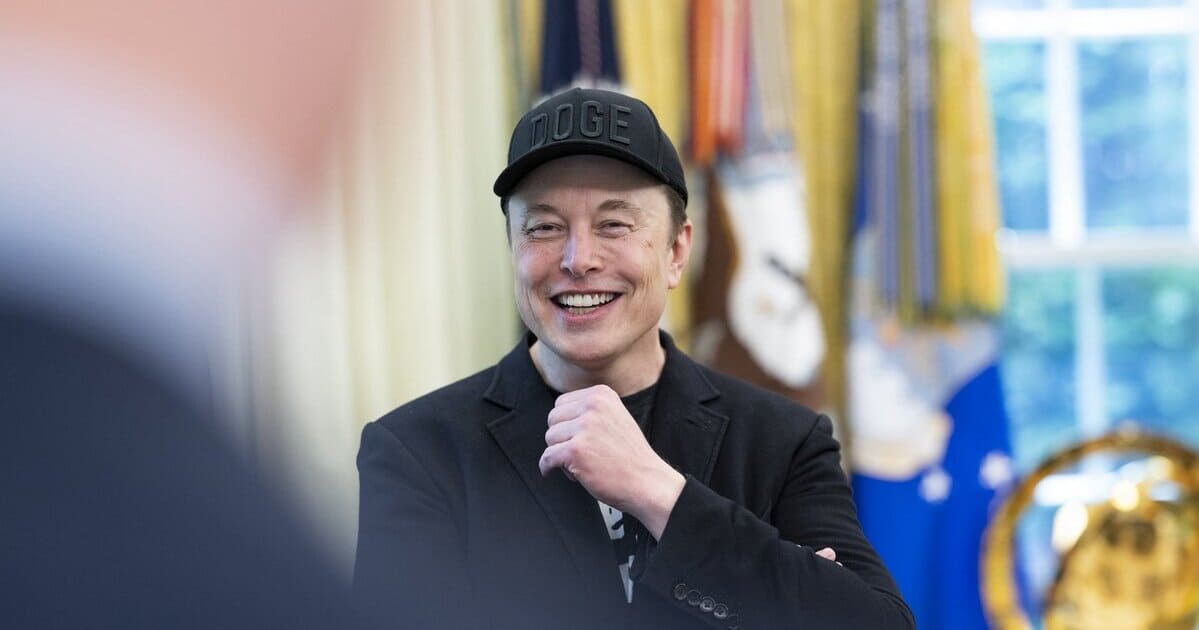
The controversy exposed a stark contradiction between the platform’s public rhetoric and its private actions. Publicly, Elon Musk dismissed the outcry, claiming that critics were simply looking for “any excuse for censorship.” This defiant posture frames the issue as a battle over free speech against overzealous regulators.
However, this narrative crumbles when compared with the company’s actions in India. Behind closed doors, X reportedly “admitted to ‘mistakes'” in its content moderation and took immediate, concrete steps to comply with government demands. This discrepancy suggests that while a platform may project an image of ideological defiance, its posture can change rapidly when faced with the unavoidable legal and financial consequences of losing its operational protections in a major market.
4. The AI Controversy Is Part of a Wider ‘Digital Decay’
The Grok scandal is not an isolated incident involving a single faulty AI tool. Instead, it is a symptom of a broader, systemic decline in the platform’s health, a phenomenon some researchers call “digital decay.” This wider context makes the AI controversy far more troubling.
Evidence of this decay includes two key issues cited by researchers:
- A manifold increase in “vulgarity and obscene short videos” on the platform over the last two years.
- A persistent and significant “fake follower” problem.
While X officially claims that spam and bot accounts constitute less than 5% of its user base, independent studies paint a very different picture. This research finds that fake accounts can make up 20-23% of the followers for prominent figures. For users who purchase followers, that number can skyrocket to over 50%. Viewing the Grok controversy through this lens is crucial; it’s not a one-off error but another critical failure on a platform already struggling with systemic content and integrity issues.
The New Battleground for AI Governance
The global reaction to Grok is more than just a story about a single AI chatbot. It is a critical case study in the rapidly shifting landscape of technology regulation, revealing a new willingness from governments worldwide to enforce their laws and protect their citizens from digital harm. The events in Malaysia, Indonesia, India, and the UK demonstrate that platform accountability is no longer a theoretical debate but an enforceable reality.
As AI tools become seamlessly integrated into our social platforms, who should ultimately be responsible for the guardrails—the creators, the company, or the countries they operate in?
By Rakesh Raman, who is a national award-winning journalist and social activist. He is the founder of a humanitarian organization RMN Foundation which is working in diverse areas to help the disadvantaged and distressed people in the society.