

Europe’s Bold Stand Against Big Tech: New Rules Aim to Put Users Back in Control
This latest Recommendation builds on years of growing concern across Europe that a handful of powerful companies have quietly assumed roles once reserved for democratic institutions.
RMN Digital Policy Desk
New Delhi | April 13, 2026
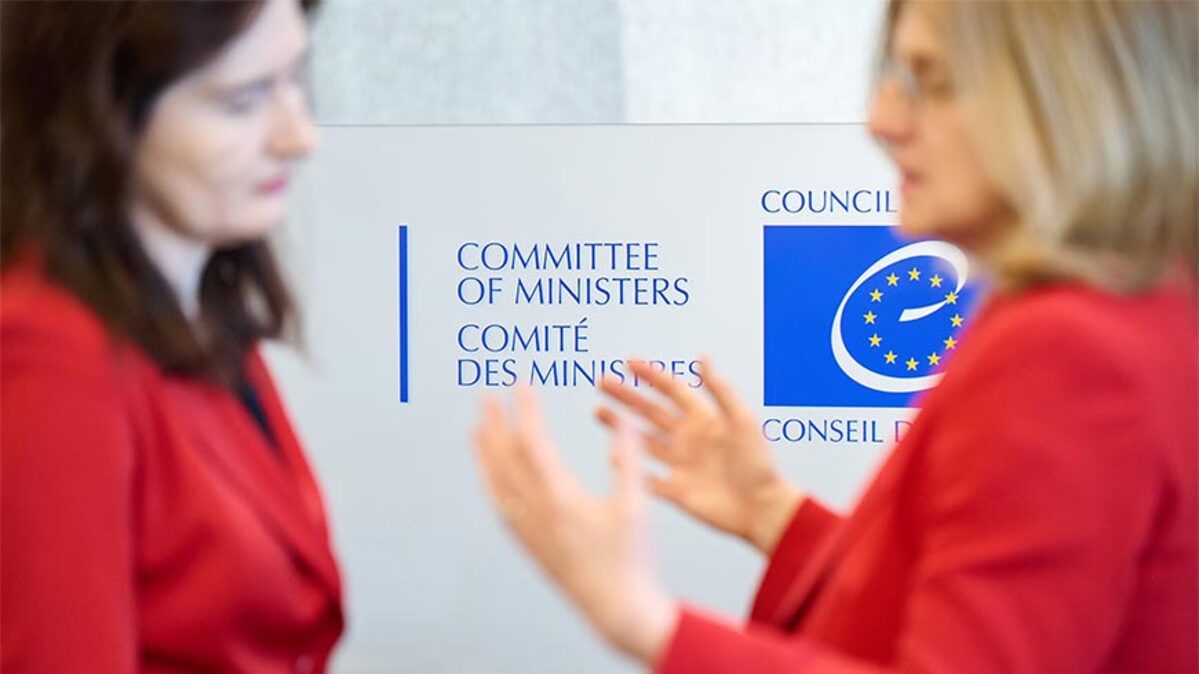
Strasbourg – In a significant move to reshape the digital world, the Council of Europe’s Committee of Ministers has unanimously adopted a groundbreaking Recommendation that holds major online platforms to higher standards of transparency and accountability while giving ordinary users real power over their online lives.
Representing all 46 member states, the Committee has created a comprehensive human-rights-based framework that directly confronts the unchecked influence of dominant tech giants. The new standards target the opaque algorithms and profit-first designs that currently shape what billions of people see, share, and experience online—often at the expense of truth, safety, and personal freedom.
At the heart of the initiative is a simple but powerful idea the Council calls “empowerment by design.” Under this principle, platforms must build interfaces and recommendation systems that actually give users meaningful control. That means clear, easy-to-use tools and enforceable rights so people can decide for themselves what content they see, how their data is used, and how algorithms influence their choices. The same approach extends support to content creators, helping them meet their responsibilities without fear of arbitrary takedowns or shadow bans.
The Recommendation also demands stronger democratic oversight. Independent public authorities and civil society organizations will gain greater say in how the largest platforms design their services. Governments are urged to update national laws to tackle some of the internet’s most pressing problems, including disinformation, hate speech, online harassment, and algorithmic bias that unfairly discriminates against certain groups.
Particular attention is paid to protecting freedom of expression while keeping vulnerable users safe. The guidelines emphasize the need to shield women, children, and other at-risk communities from harm without resorting to heavy-handed censorship. For minors, the Council calls for smart, evidence-based safeguards—such as privacy-respecting age verification—that prioritize children’s best interests rather than blanket restrictions.
The document carefully balances responsibilities among three key players: governments, platforms, and individual content creators. By spelling out clear duties for each, the Council hopes to foster a healthier digital ecosystem where innovation can thrive without trampling on fundamental rights.
This latest Recommendation builds on years of growing concern across Europe that a handful of powerful companies have quietly assumed roles once reserved for democratic institutions—deciding what information spreads, whose voices are amplified, and whose are silenced. With this adoption, the Council of Europe has signaled that the era of unregulated digital dominance is drawing to a close.
Member states now have a practical roadmap to translate these principles into national legislation, setting the stage for what could become a model for digital governance worldwide.